
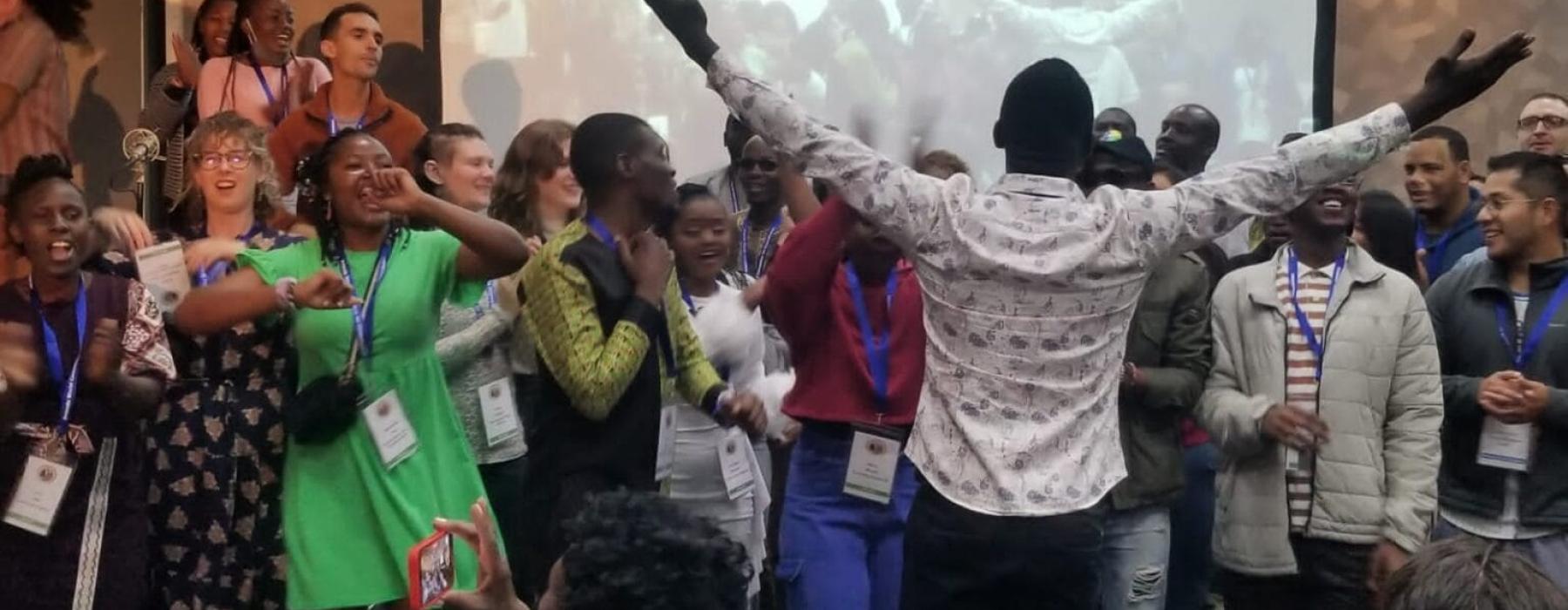
The Spread of Quakerism Worldwide
Quakers, also known as the Religious Society of Friends, have a long and diverse history around the world. This page offers an overview of how Quaker communities were established in different regions and how they have developed over time. From the early missionaries from England, to settlers in North America, to growing meetings in Central and South America, Africa, and Aotearoa/New Zealand, these stories reflect Quaker commitments to faith, equality, peace, and social justice. Together, they show how Quakerism has taken root in many cultures while remaining connected by shared values and diverse spiritual practice.
North America
Quakerism arrived in North America in the mid-1650s. The first Quaker missionary, Elizabeth Harris, travelled to Virginia and Maryland, and by the early 1660s more than 50 other Friends had followed her. As Quakers spread through the colonies, they often faced hostility and persecution. In Massachusetts, four Quakers were executed for their beliefs.
A turning point came in 1681, when King Charles II granted a large area of land to William Penn, an English Quaker, in repayment of a debt owed to his family. Penn, who had been imprisoned several times in England for his faith, established Pennsylvania as a place of religious freedom and tolerance. Within a few years, thousands of Quakers migrated there from Britain.
Quakers played a central role in Pennsylvania’s early government and held positions of leadership during the first half of the 18th century. Over time, many stepped back from political life, feeling that participation in government required compromises with core Quaker principles, including pacifism.
Throughout United States history, Quakers have been active in movements for social justice and reform. Today, around 27% of the world’s Quakers live in the United States. Both programmed and unprogrammed Quaker meetings are practiced there.
Learn about programmed and unprogrammed Quaker meetings.
Central and South America
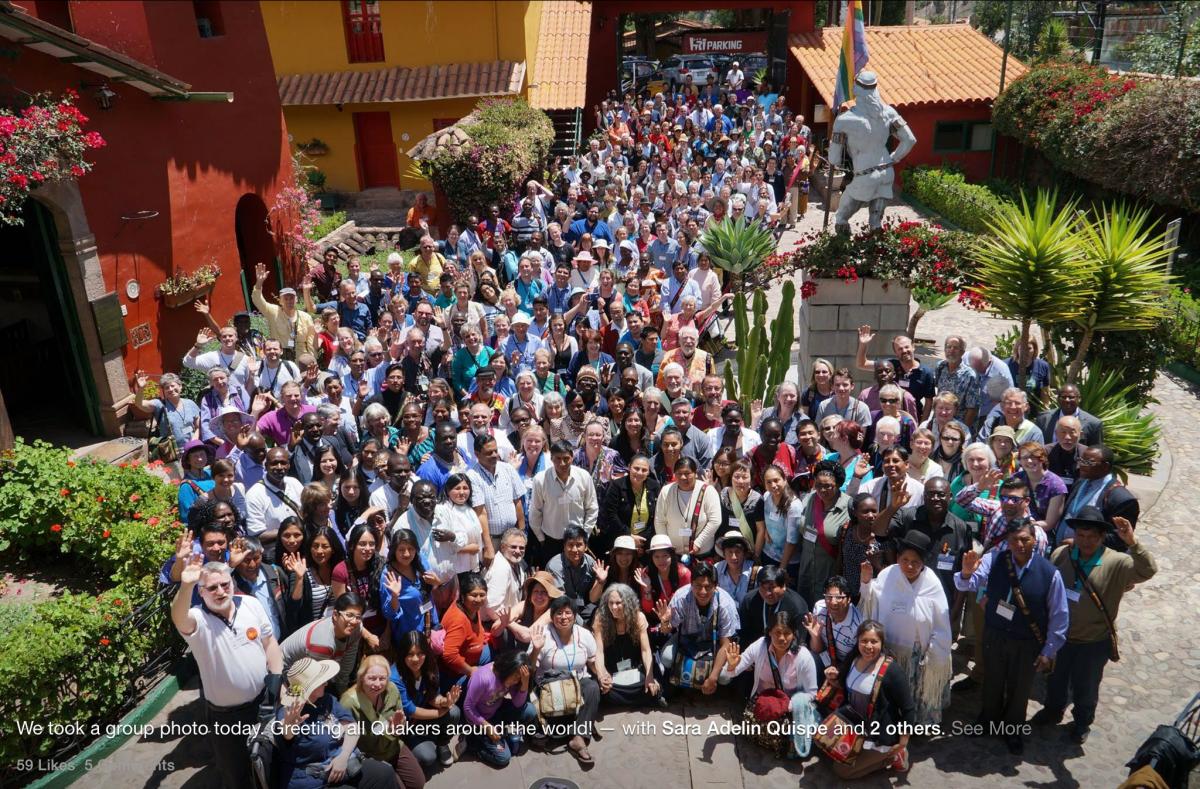 Today, approximately 17% of the world’s Quakers live in Central and South America. The first Quaker meeting in the region was established in Mexico in 1871 by missionaries from Indiana. In the early 20th century, Quaker meetings were founded in Guatemala and Honduras (1906) and Bolivia (1919).
Quaker communities can now be found across the region, including in Costa Rica, Peru, El Salvador, Colombia and Nicaragua.
You can learn more at:
www.quakersintheworld.org/quakers-in-action/240/Quakers-in-Central-and-South-America
Image: Friends World Conference 2016, Peru
Africa
At the beginning of the 20th century, American Quaker William Hotchkiss travelled to Kenya with student pastors Edgar Hole and Arthur Chilson on a fact-finding mission. Supported by local church leaders, they established a Quaker mission at Kaimosi in eastern Kenya.
From the start, Quakers in Kenya focused on addressing social need. They founded schools and hospitals and worked to challenge social inequality. From Kenya, Quaker worship spread across central Africa, particularly to Uganda, Tanzania, Rwanda and Burundi.
In much of Africa, Quaker worship reflects evangelical Protestant traditions and often includes hymns, Bible readings and spoken prayer. South Africa is an exception, where unprogrammed, silent meetings in the British Quaker tradition are most common.
Today, more than half of the world’s Quakers live in Africa.
New Zealand (Aotearoa)
For information about Quaker history in Aotearoa/New Zealand, see NZ Quaker History.
You may also wish to read The Story of New Zealand Quakerism by M. West and R. Fawell, available in the New Zealand collection at Christchurch Public Library.
Learn more about Quaker meetings
Find a Meeting near you.
Maintained by
Yearly Meeting Outreach Committee