

Welcome to the World of Quakers
Curious about Quakers and the people who shaped their history? You’re in the right place! This page introduces some remarkable individuals whose lives were guided by peace, equality, simplicity, integrity and community—values that still inspire Quakers around the world today.
As you explore their stories, you’ll discover how courage, compassion, and a commitment to justice can make a lasting impact. Whether you’re here to learn, reflect, or be inspired, these stories show how one person’s choices can ripple out and change the world.
Take a journey through history and meet the Friends whose lives continue to teach, guide, and inspire.
Prominent Quakers in History
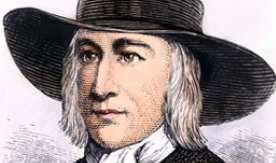 George Fox (1624–1691)
George Fox grew up in England during a time of social and religious upheaval. Unsatisfied with formal church practices, he set out on a spiritual journey and discovered that everyone can experience God directly through what he called the Inner Light. Fox traveled widely, often facing imprisonment for his beliefs, but never wavered. He spoke out against war, inequality, and the restrictions of the established church, ultimately helping to found the Religious Society of Friends—a movement that continues to inspire today.
Takeaway: Courage and conviction can inspire movements that last for centuries.
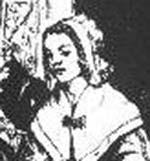 Margaret Fell (1614–1702)
Margaret Fell, known as the “Mother of Quakerism,” was a passionate advocate for the early Quaker movement. She opened her home, Swarthmoor Hall, to Friends, offering refuge and a place to meet. Later marrying George Fox, she dedicated her life to spreading Quaker beliefs, promoting equality, and defending the rights of women and religious dissenters.
Takeaway: Hospitality, advocacy, and commitment can leave a lasting legacy.
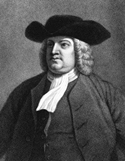 William Penn (1644–1718)
William Penn, an Englishman and early Quaker, dreamed of a society built on fairness and religious freedom. He founded Pennsylvania as a “holy experiment,” welcoming people of all faiths and backgrounds. Penn championed democratic principles and fair treatment for Indigenous peoples, laying foundations for peaceful coexistence.
Takeaway: Vision and values can shape societies and inspire future generations.
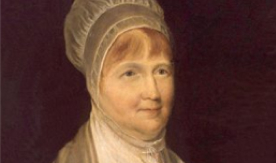 Elizabeth Fry (1780–1845)
Elizabeth Fry devoted her life to reforming prisons and advocating for social justice. Known for her compassion and tireless activism, she improved conditions for prisoners, especially women and children, emphasizing education, care, and dignity.
Takeaway: Kindness and advocacy can transform lives and systems.
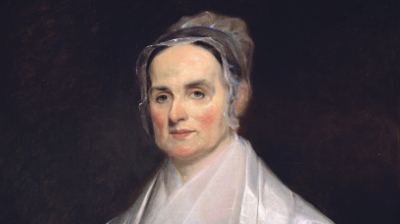 Lucretia Mott (1793–1880)
Lucretia Mott was a courageous American Quaker, feminist, and abolitionist. She campaigned tirelessly for the abolition of slavery and for women’s rights, organizing early conventions that paved the way for social change.
Takeaway: Standing up for equality and justice can spark lasting societal change.
 John Woolman (1720–1772)
John Woolman, an American Quaker, lived simply and spoke boldly against injustice. He opposed slavery, promoted fair treatment of Indigenous peoples, and encouraged ethical living in everyday life. Through his journals and writings, Woolman shared his reflections on conscience, spirituality, and social responsibility.
Takeaway: Simple living and ethical choices can influence hearts and minds across generations.
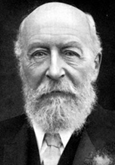
George Cadbury (1839–1922)
George Cadbury is a name that many people immediately associate with chocolate—but he was also a visionary Quaker whose values shaped industry and community life. Born into a family business in Birmingham, England, George became deeply aware of the harsh conditions faced by workers: poverty, poor sanitation, long hours, and little access to education or safe housing. Guided by his Quaker belief that every person deserves respect, dignity, and opportunity, he set out to create a better way of living and working.
As the family chocolate business grew, George bought a large tract of land outside Birmingham and developed Bournville, a model community designed to improve the lives of workers and their families. Around the factory, he built over a thousand homes with clean sanitation, green gardens, tree-lined streets, and recreational areas. Schools, churches, shops, and adult education centers were included, along with childcare facilities that gave mothers time to care for their homes. The Cadbury family themselves lived nearby at Woodbrooke, which today continues as a Quaker educational and study center.
Contemporary Image of Bournville Village

Bournville’s success was evident: compared with children living in the industrial slums of Birmingham, Bournville children were healthier, taller, and better educated. Infant mortality was lower, life expectancy higher, and families had a genuinely supportive environment in which to thrive. George Cadbury’s vision proved that business could be both successful and socially responsible—a lesson that continues to inspire today.
Takeaway: Business and community can flourish together when guided by fairness, care, and vision.
These stories are just a glimpse into the lives of people who put faith into action. Each one shows how Quaker principles—courage, equality, and service—can inspire change in both small and profound ways.
Whether you’re exploring history, reflecting on values, or looking for inspiration, the lives of these Friends offer lessons that still resonate today.
Explore Quaker Values Today
The lives of these Friends show that peace, equality, simplicity, integrity and community are not just historical ideals—they can guide our choices every day. Whether you’re making decisions at work, caring for your community, or thinking about social justice, Quaker values offer practical inspiration.
Here are some ways you can explore these values today:
Peace: Find ways to resolve conflicts peacefully, stand against violence, and promote understanding in your community.
Equality: Treat everyone with respect, advocate for fairness, and challenge discrimination whenever you see it.
Simplicity: Focus on what truly matters, live sustainably, and let go of unnecessary distractions.
Integrity: Be honest, follow your conscience, and act consistently with your principles.
Community: Balance commitment to the common good with deep respect for diversity and individual integrity
You don’t need to be a Quaker to learn from these examples. By reflecting on their lives, you can see how small acts of courage, kindness, and justice can ripple out and make a difference—just like they did for these remarkable Friends.
You'll find a list of renowned Quakers from the 17th century onwards here.
Learn more about the spread of Quakerism worldwide
Learn more about current Quaker social action here.
Learn more about Quaker values ('testimonies') here.
Want to connect: you can talk to a Quaker here.
Find a Quaker Meeting here — you are welcome.
Maintained by
Yearly Meeting Outreach Committee